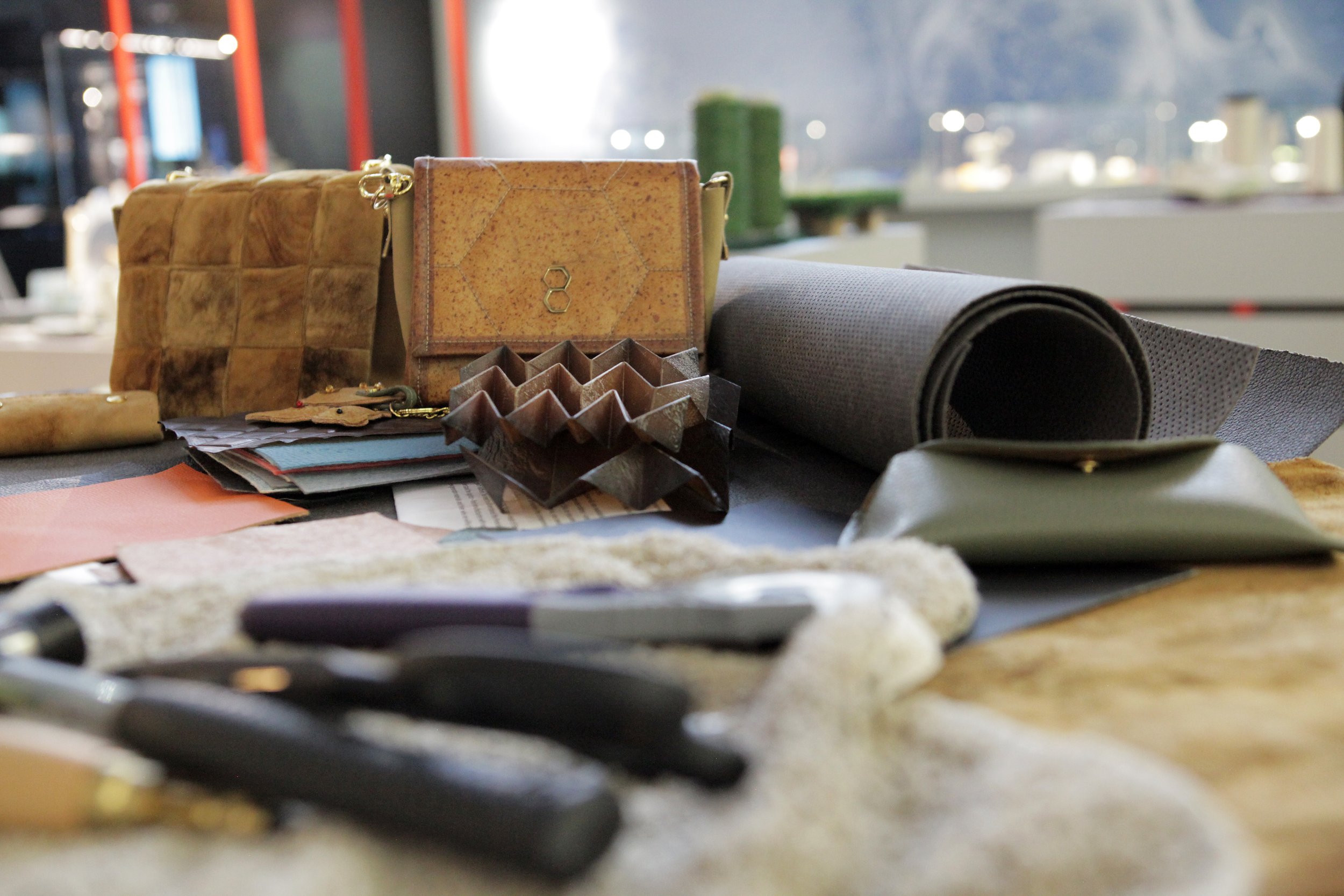
Substanz at the Deutsches Museum: Exploring Bio-Based Materials at the Bio Living Lab
Mother of Pearl at the Deutsches Museum
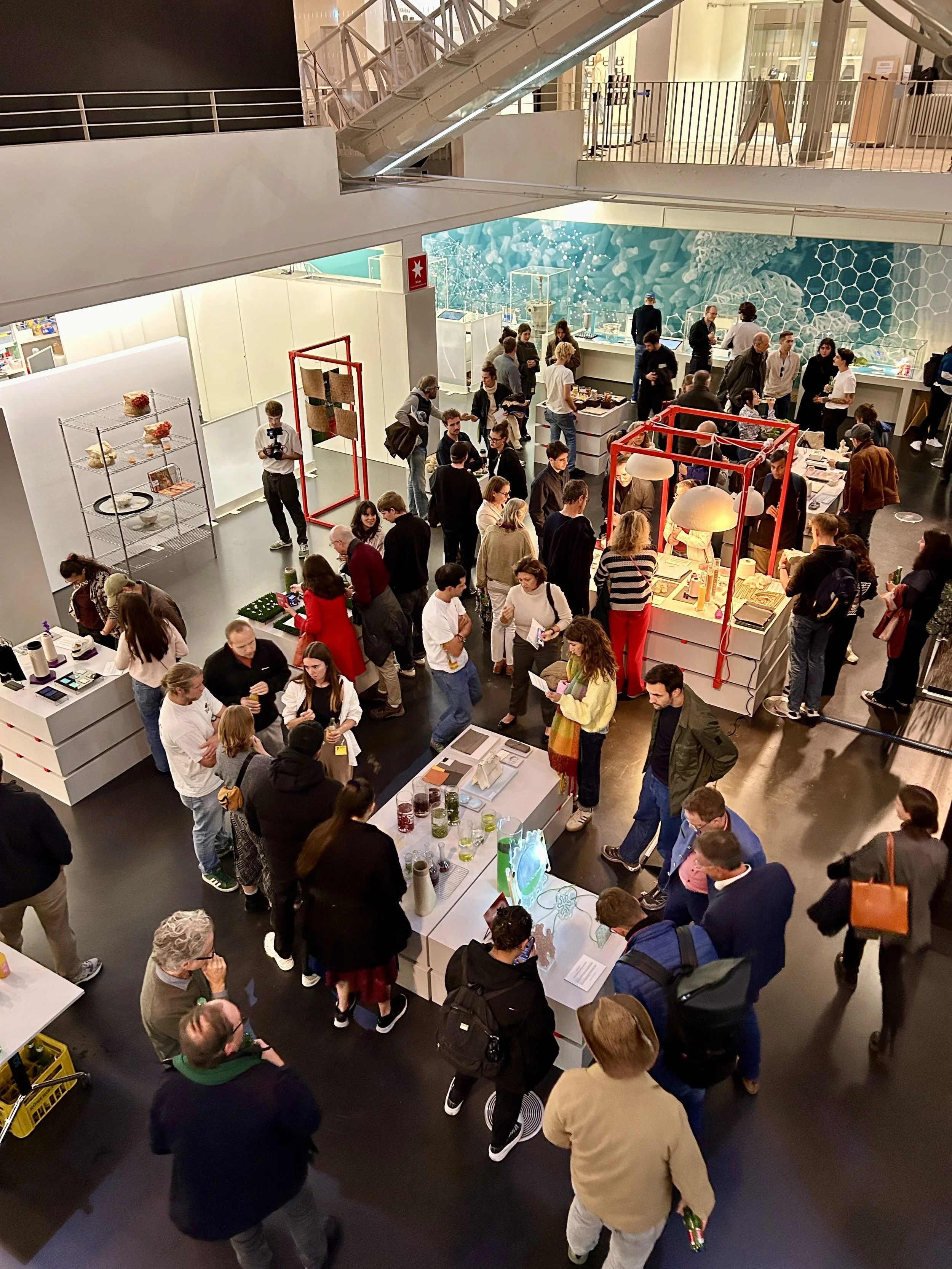
Substanz was honoured to present Mother of Pearl, one of its material prototypes, at the Deutsches Museum in Munich as part of the Bio Living Lab exhibition, curated by NIMA Studio.
The exhibition brought together emerging bio-based materials and material innovations, giving visitors an opportunity to explore new solutions across packaging, construction, textiles and next-generation leather alternatives.
Alongside material displays, the Bio Living Lab offered an educational programme of guided tours, workshops and live experiments, allowing visitors to experience emerging materials through direct interaction. The exhibition was supported by the Bavarian State Ministry for Economic Affairs, Regional Development and Energy.
Mother of Pearl: designing with MATTR™
Mother of Pearl was developed by Substanz in collaboration with German material innovation company Revoltech, using its pioneering MATTR™ material.
MATTR™ is an algae-based polymer with a soft, tactile surface and naturally pearlescent appearance. Petroleum-free and designed for biodegradability, the material was still in its development phase when Mother of Pearl was presented at the exhibition.
The prototype demonstrates how the distinctive properties of an emerging bio-based material can become a starting point for product design rather than simply an alternative to an existing conventional material.
From one sheet to multiple products
The design of Mother of Pearl was inspired by traditional origami folding techniques.
Following a zero-waste design concept, the entire piece was constructed from a single sheet of material. The cut-outs generated during the design process were transformed into additional small accessories, including a card holder, charm and bracelet.
This approach illustrates how material efficiency can be integrated directly into product design — using the characteristics of a new material to inform not only its appearance, but also its construction and production.
Algae as a material for the future
Algae are attracting increasing interest as a potential raw material for bio-based materials and biomaterial innovation. Their fast growth, ability to absorb carbon during growth and versatility make algae an area of active research and development.
The Bio Living Lab placed algae-based materials within a wider landscape of emerging bio-material solutions, demonstrating how biological resources are being explored for applications traditionally dominated by fossil-based or conventional materials.
For Substanz, working with these materials means looking beyond their origin to understand their technical properties, aesthetic qualities, applications and manufacturing potential.
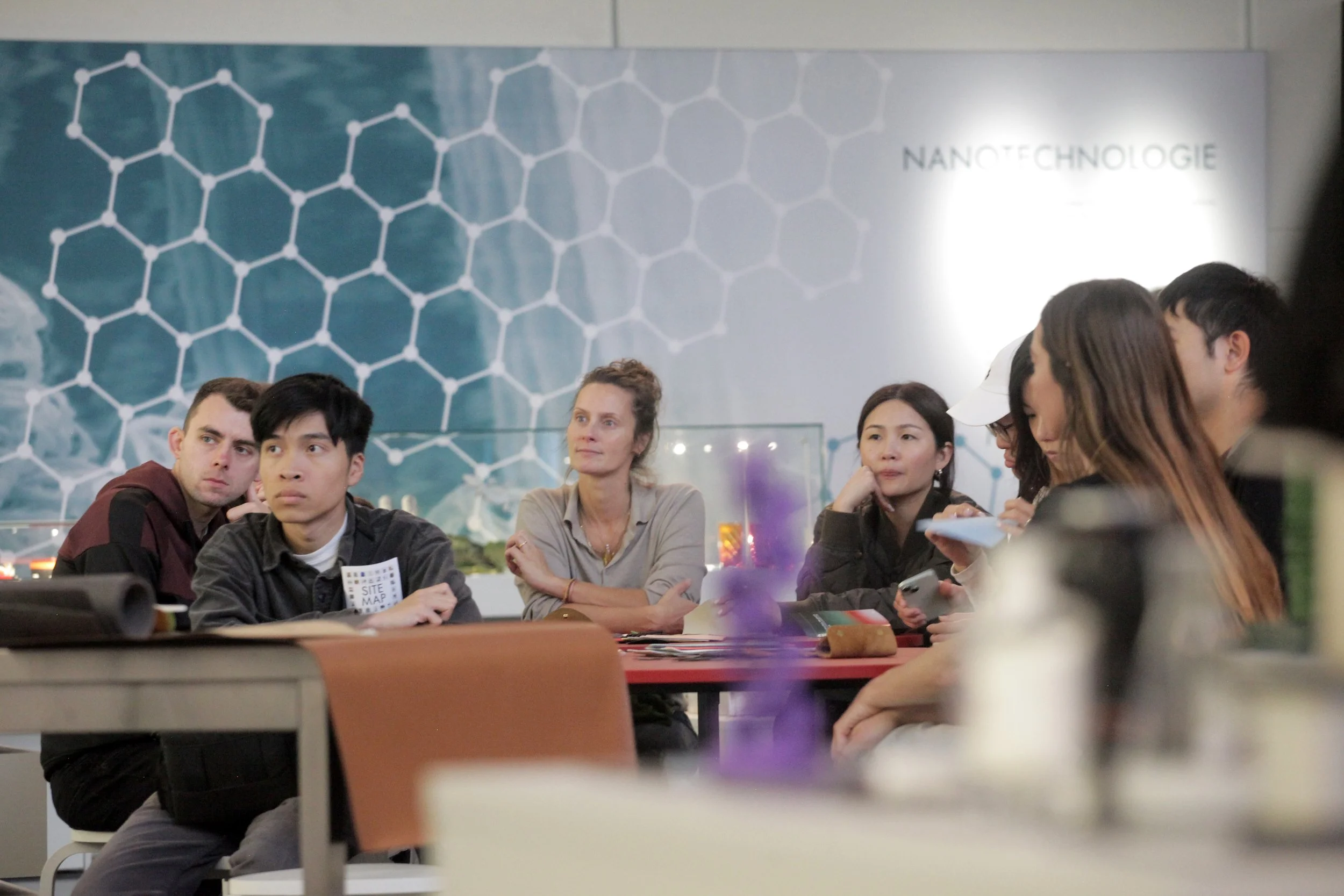
Substanz workshop on bio-leather alternatives
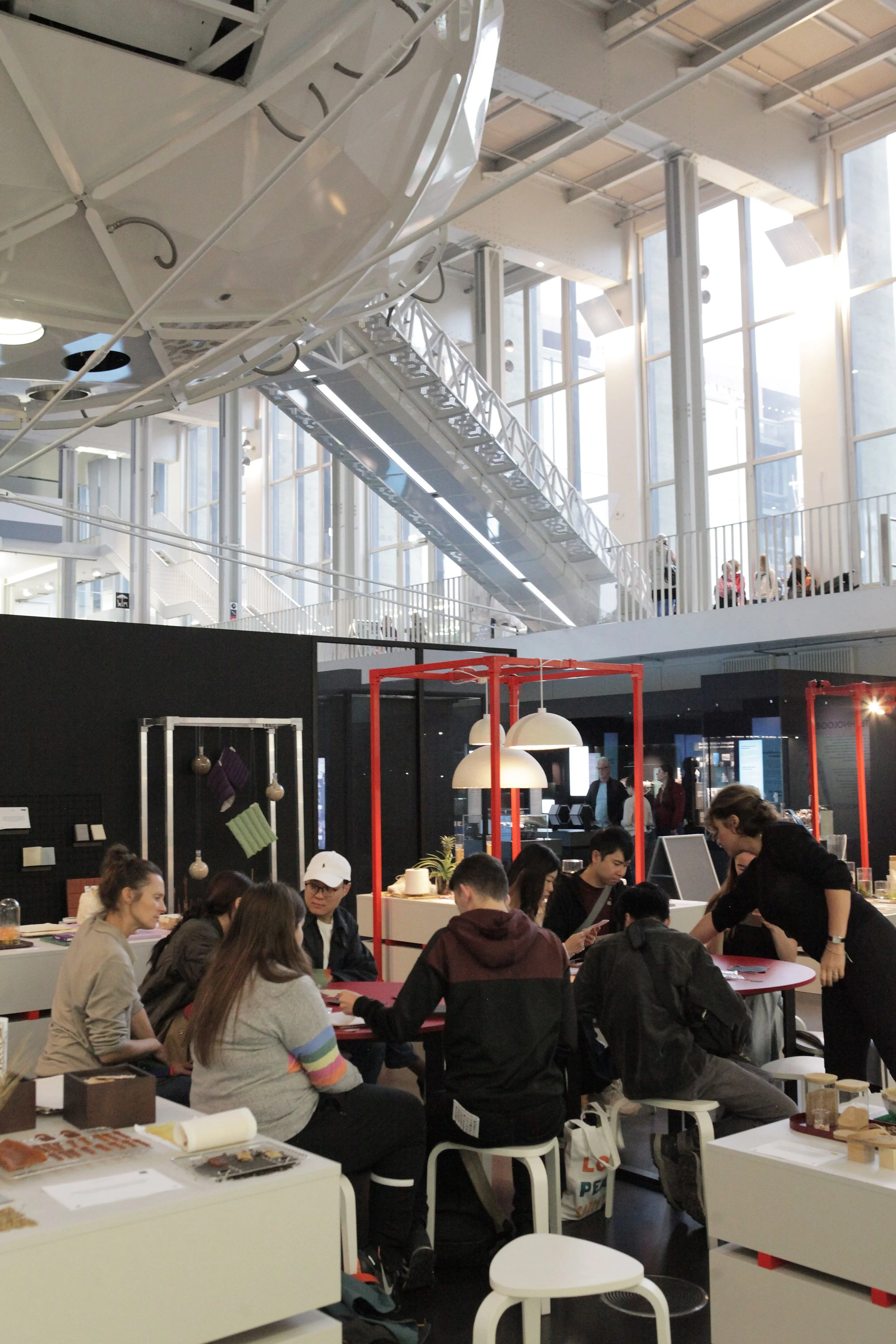
The exhibition also provided an opportunity for Substanz to share its expertise through an educational workshop on bio-leather alternatives.
The founder of Substanz led a session exploring the history and classification of leather alternatives, as well as the different material properties that distinguish emerging bio-based materials from conventional leather and synthetic alternatives.
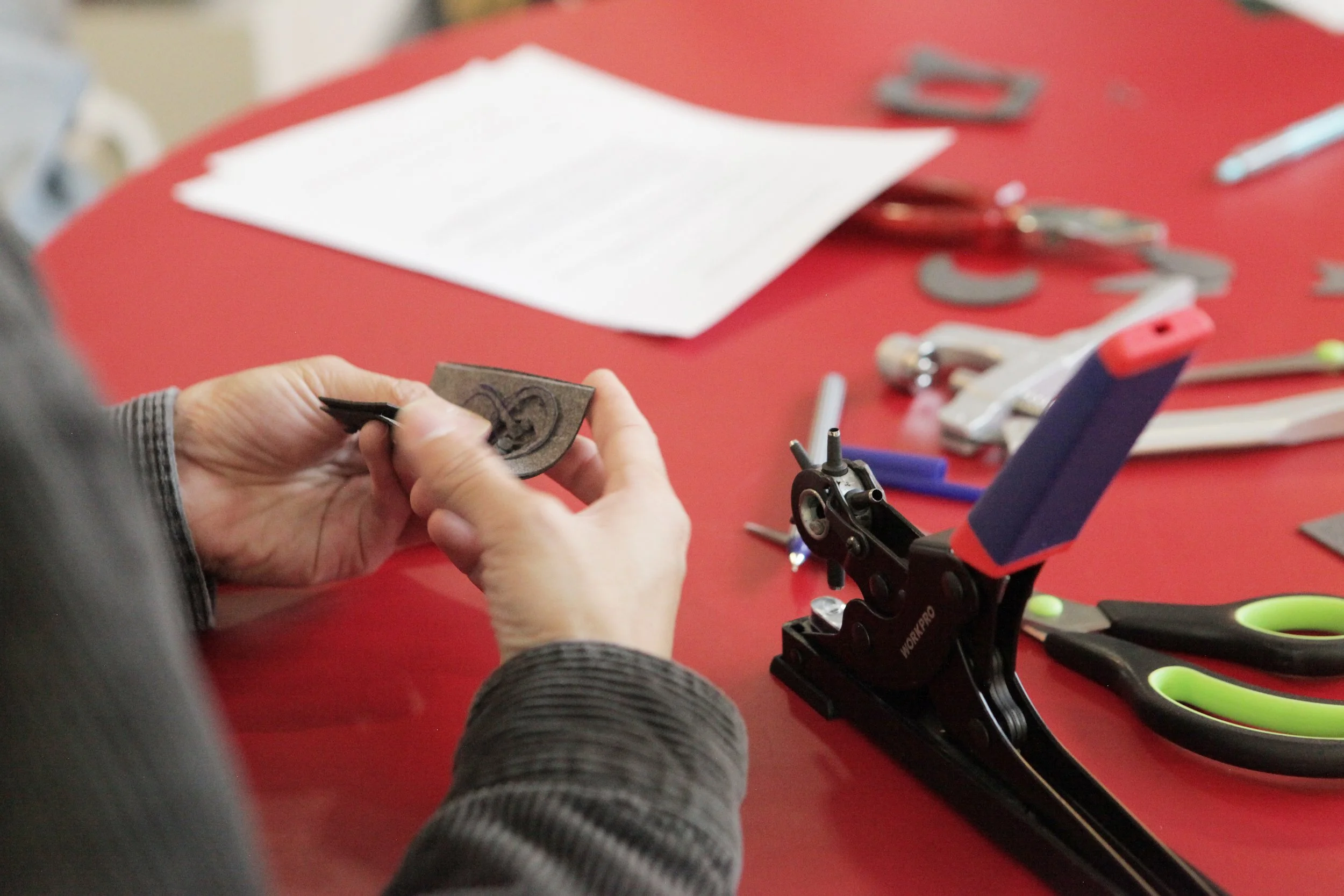
Participants were able to see, touch and work directly with a selection of materials, gaining first-hand experience of their texture, structure, flexibility and other material characteristics.
For Substanz, material education is an important part of making new materials more accessible. Understanding how a material behaves in practice is essential for designers and brands considering its use in product development.
Connecting material innovation and design
The Bio Living Lab brought together scientific research, material innovation, design and public education — creating a space where emerging materials could be experienced rather than simply discussed.
Substanz's participation reflects the company's work at the intersection of biomaterials, fashion design, material sourcing, prototyping and product development.
By developing physical prototypes, working directly with emerging materials and educating designers about their properties, Substanz helps bridge the gap between material innovation and real-world applications.