
KNOWLEDGE
Materials science, explained
From bio-based leather alternatives to recycled textiles — deep dives into how next-generation materials actually work, sourced from real projects and real production.
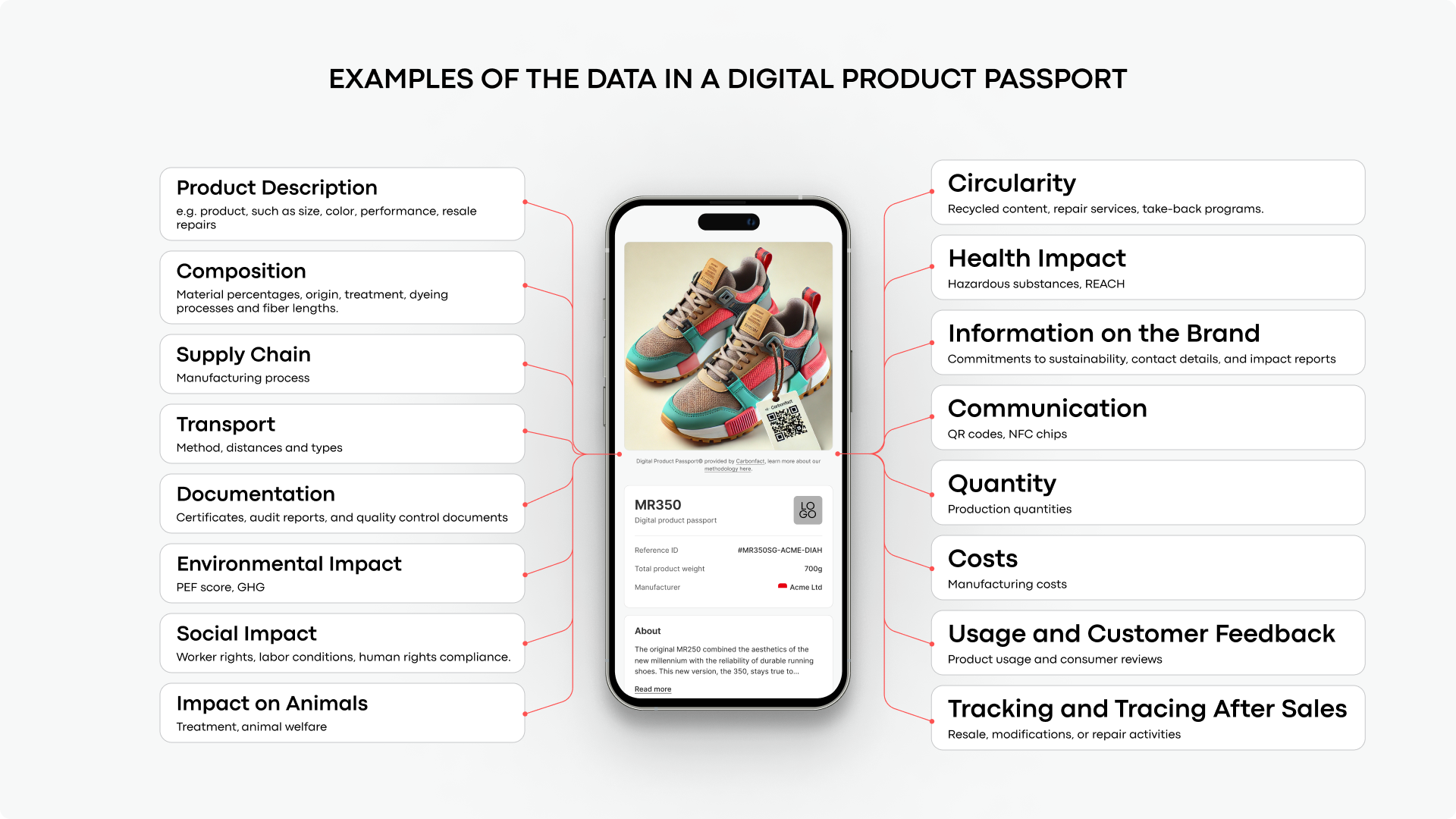
Digital Product Passport: What Fashion Brands Need to Prepare
The Digital Product Passport is coming to textiles. Here is what fashion brands should understand about product data, materials, traceability and sustainability information — and why preparing early matters.
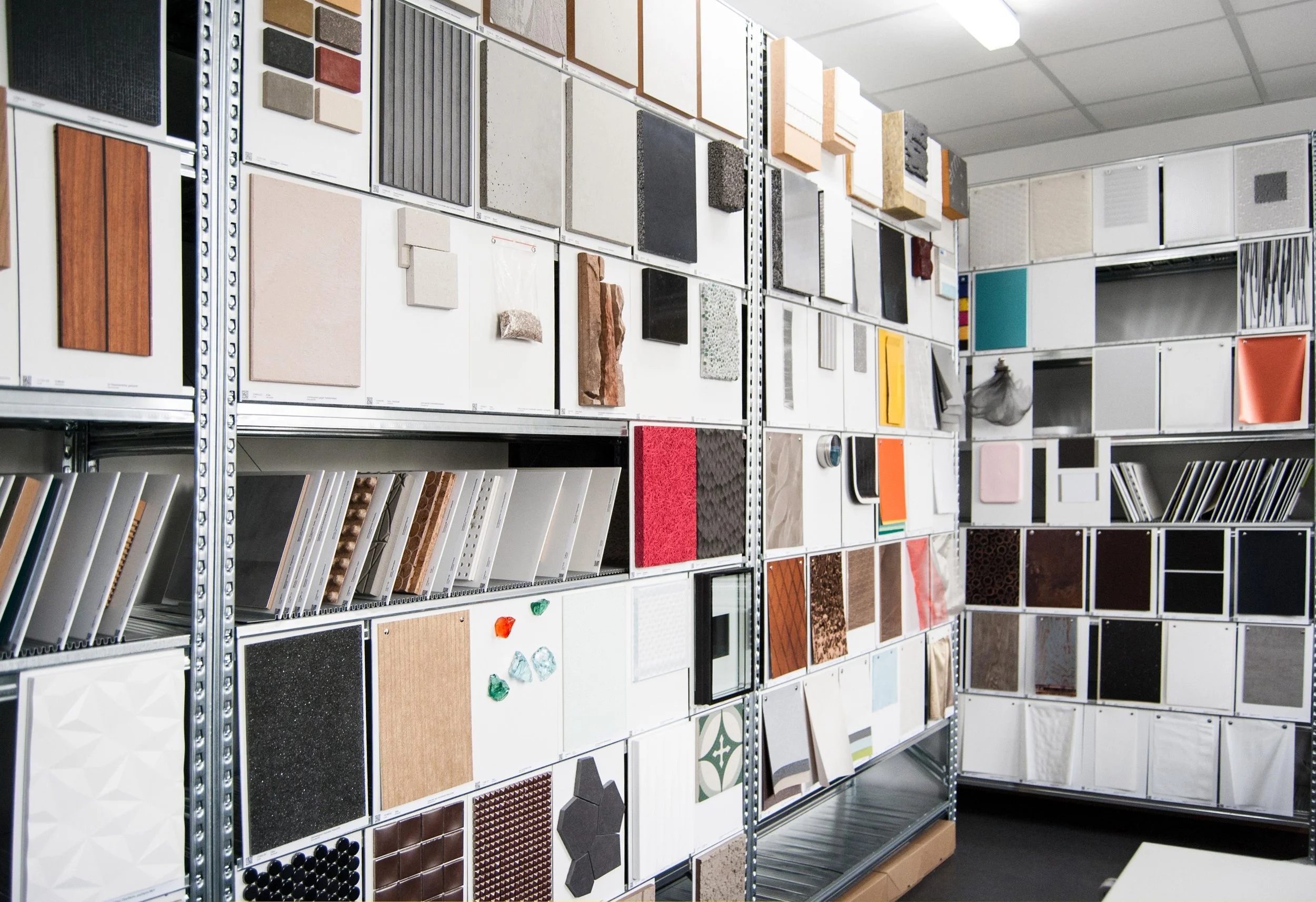
Preparing for a Material Consultant
Before talking to a material consultant, a little preparation can make the conversation much more productive. Here’s what brands should consider, from product and performance requirements to manufacturing, sustainability goals, budget and timelines.
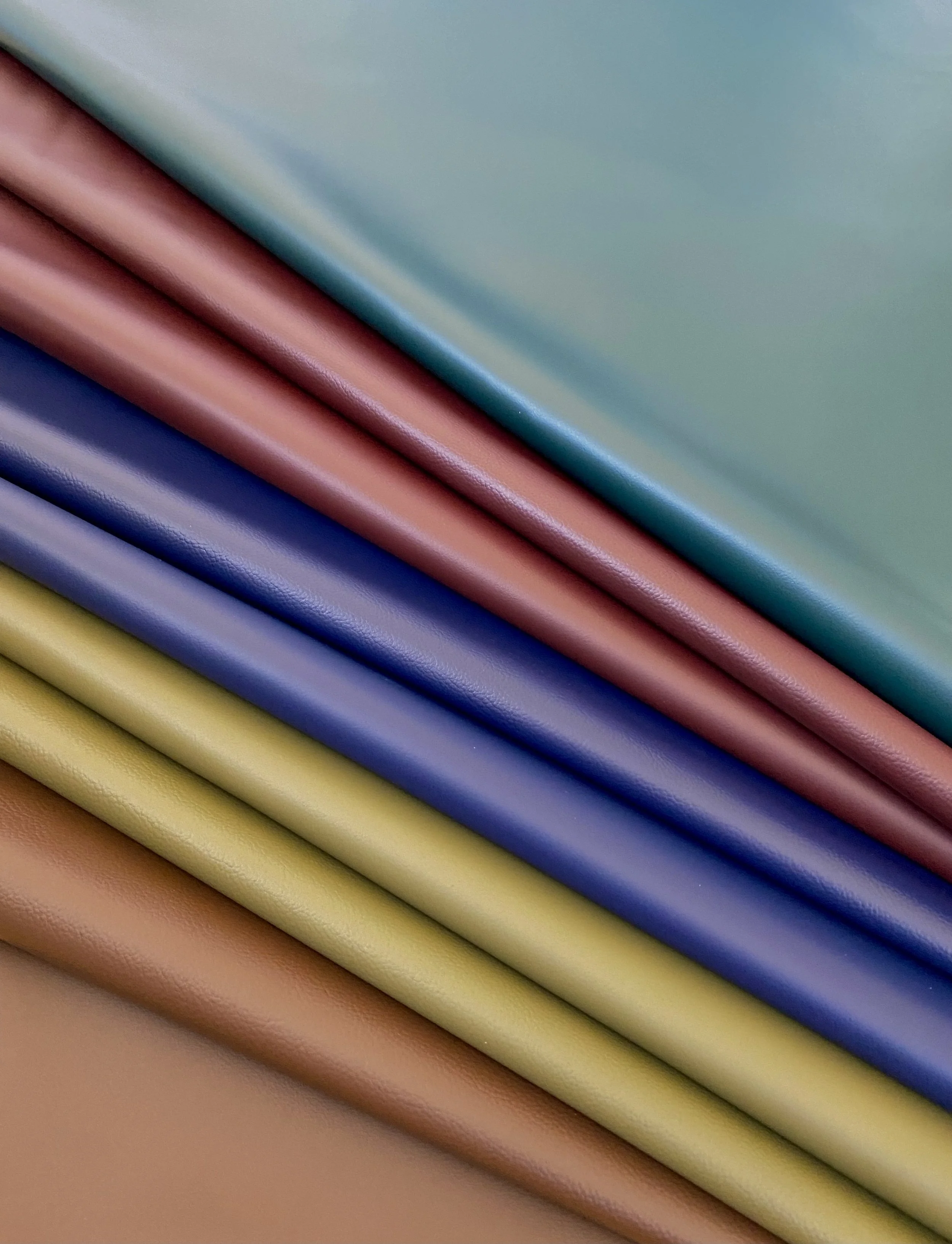
Petroleum-Bio-Based Leather Alternatives: Materials Made Without Petroleum-Based PU & PVC
From agricultural grain by-products to bacterial cellulose, discover four new-generation leather alternatives designed without petroleum-based PU or PVC.
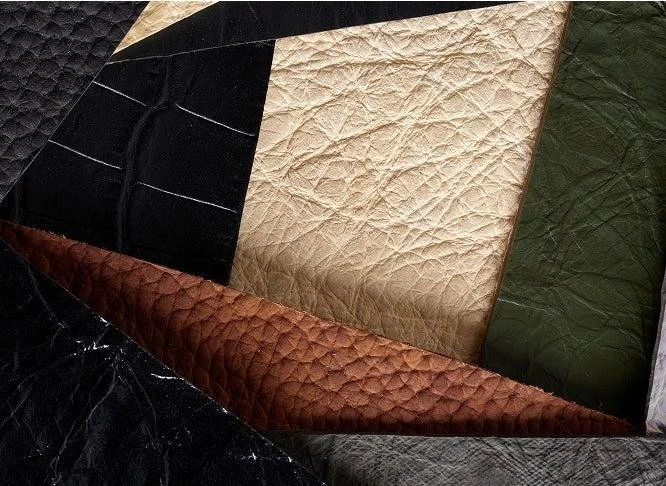
Are Bio-Leather Alternatives More Expensive Than Natural Leather?
Are bio-leather alternatives really more expensive than natural leather? The answer depends on the material. Compare current wholesale price ranges across plant-based, fungal, algal, bacterial and lab-grown alternatives — and see how they compare with different grades of natural leather.

101: Bio-Leather Alternatives
Bio-leather alternatives are no longer one category of material. From plants and fungi to bacteria, algae and biotechnology, a new generation of sustainable bio-based materials is changing the landscape of leather alternatives.

Will There Be Life after the Term “Vegan Leather” Gets Banned?
The term “vegan leather” has become a convenient umbrella for a rapidly evolving world of alternative materials. But does it still make sense to define plant-based, mycelium, algal and other bio-based materials by what they are not — and by the material they are trying to replace?
Maybe the future of leather alternatives isn't about replacing leather — but about giving new materials their own identity?

Brands That Use New Generation Materials in Their Product Lines
No more excuses — innovation has already done the heavy lifting. These brands prove you can have style, performance, and ethics in one package.

Bio-Sequins and Paillettes
Sequins have long been synonymous with glamour, however how bright is their future?
Image credit: Carolyn Raff Studio


Working with Next-Generation Materials: From Innovation to Product
Innovative materials can look very different in the lab than they do on the production floor. Explore the practical challenges of sourcing, manufacturing, testing and communicating next-generation materials — and where expert material consultancy can help.

Material Sourcing: Navigating Next-Generation Material Suppliers
Finding and sourcing next-generation materials can be very different from working with established textiles. Explore the realities of supplier access, MOQs, availability, lead times, quality and rapidly evolving materials.

Finding a Manufacturer: From Material Selection to Production
MWorking with a new material often means finding a manufacturer willing to experiment, adapt processes and rethink conventional production. Here are the practical challenges brands need to navigate.

Care Instructions for New Materials: When There Is No Rulebook
New materials don't always come with established care instructions. Learn how brands can investigate cleaning, washing, drying and handling requirements before putting an unfamiliar material into the hands of customers.

Marketing New Materials Under the EU Greenwashing Rules
Marketing innovative materials is becoming more complicated. With new EU greenwashing rules applying from September 2026, brands need to balance compelling material stories with accurate, specific and substantiated environmental claims.