Substanz at Institut Français de la Mode: From AI Fashion Concepts to Bio-Based Accessories
Turning AI-generated designs into physical products
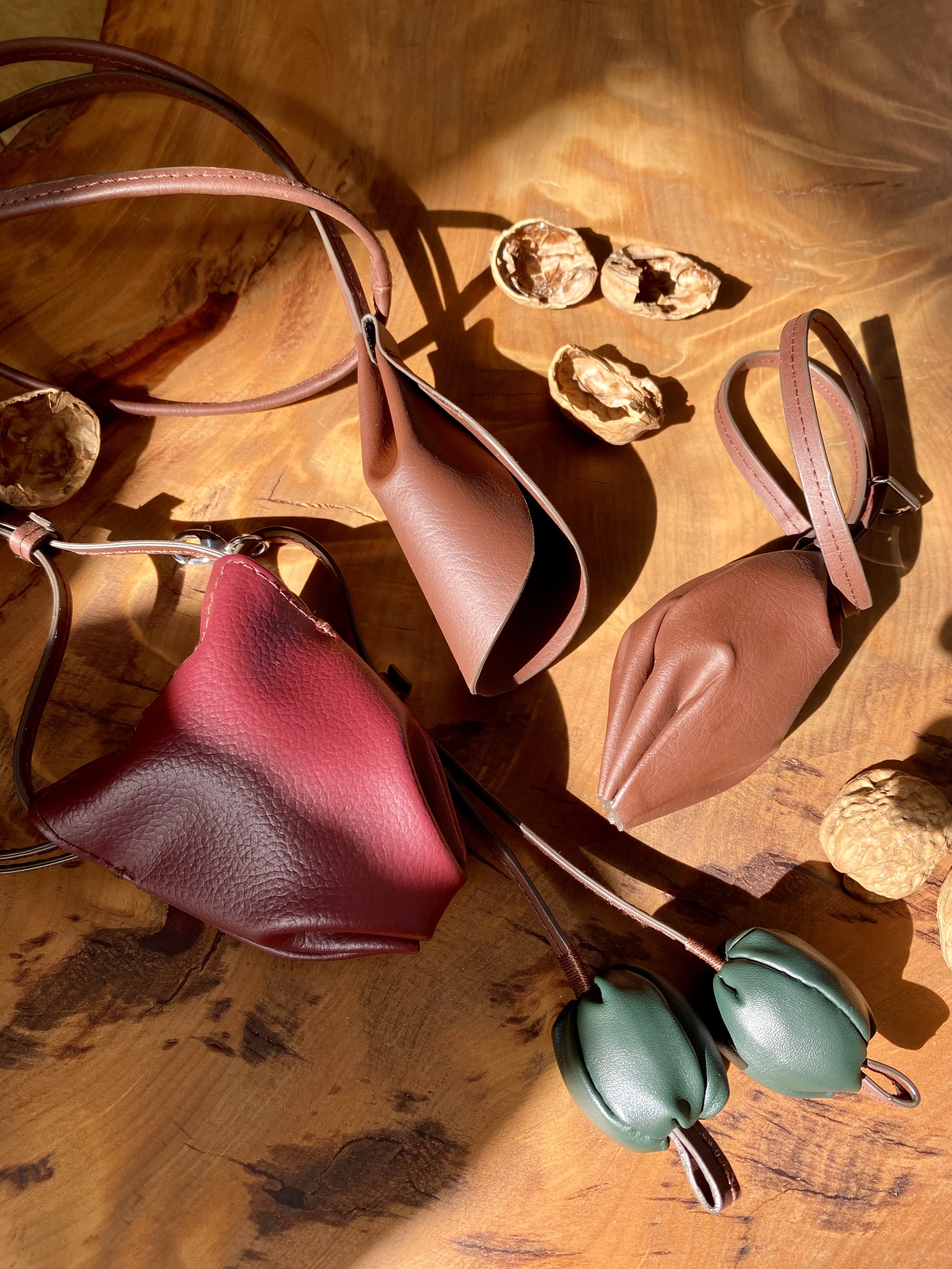
Substanz was invited by the emerging bio-materials-focused fashion brand Confiture to develop a series of accessories for its upcoming launch and participation in the AMI x IFM Entrepreneurship Competition.
Confiture provided a series of AI-generated renderings and a visual lookbook. Substanz's role was to interpret these concepts and turn them into physical accessories using bio-based leather alternatives, while preserving the soft, fluid aesthetic of the original designs.
Material selection and feasibility
Turning a digital rendering into a physical product requires more than reproducing its visual appearance.
Throughout the project, Substanz advised Confiture on material selection for each design, assessing which bio-based material could best reproduce the intended look, feel and construction.
We also analysed how each AI-generated concept would translate to the real-world properties and limitations of the selected materials. This included assessing factors such as flexibility, structure, drape, thickness, construction and overall applicability.
The result was a material applicability and feasibility analysis that helped adapt the digital concepts to materials that could actually be worked with and developed into physical accessories.
This process highlights an important aspect of working with next-generation materials: the material cannot simply be expected to behave like conventional leather or another familiar substrate. Design concepts often need to be adapted to the specific characteristics of the new material.
Working with bio-leather alternatives
The accessories were developed using a selection of emerging bio-based and leather-alternative materials, including Nutico, Banofi and Oleatex.
Each material has its own technical and aesthetic characteristics, making material selection an integral part of the design-development process.
For Substanz, working with bio-leather alternatives is not about finding a universal replacement for conventional leather. It is about understanding the properties of each material and identifying where it can perform best — then adapting the design accordingly.
This approach allows new materials to become a genuine part of the creative process rather than simply a substitute material specified at the end of product development.
From digital lookbook to finished accessories
The resulting accessories are intended to form part of Confiture's upcoming capsule collection.
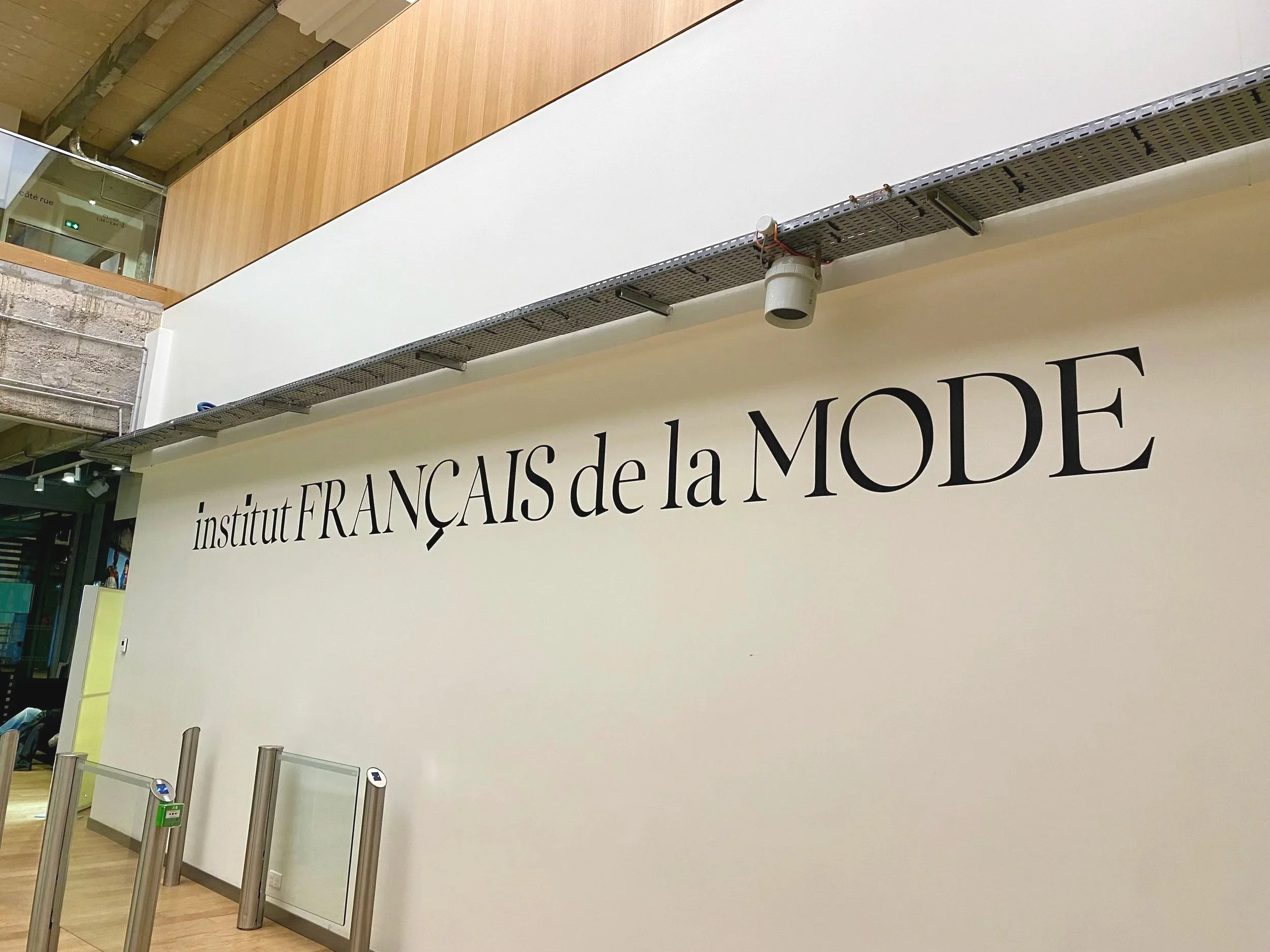
The prototypes were presented to the public for the first time at the Institut Français de la Mode (IFM) in Paris in March 2026, bringing the project from AI-generated concepts into a physical fashion environment.
The project demonstrates how AI-assisted design, material innovation and physical prototyping can work together — while also highlighting the technical expertise required to bridge the gap between a digital image and a manufacturable product.
For Substanz, this is a core part of its work: helping brands move from material and design concepts to prototypes and production, with material selection and technical feasibility considered from the beginning.