
For years, PU and PVC have been among the most widely used materials for creating alternatives to animal leather. While these materials can imitate the look and functionality of leather, conventional PU and PVC are commonly based on fossil resources.
A new generation of materials is offering a different approach.
Instead of relying on petroleum-derived plastics, material innovators are developing bio-based leather alternatives from renewable resources, agricultural by-products, natural rubber and bacterial cellulose.
These materials are not simply replacing one type of leather imitation with another. They are introducing fundamentally different material systems — ones based on biological resources and, in some cases, designed to return to biological cycles at the end of their useful life.
There is also an important distinction when talking about PU.
PU can be bio-based. The term polyurethane describes a type of polymer; it does not, by itself, determine whether its carbon originates from fossil or renewable resources. When bio-based PU is used, its renewable carbon contributes to the bio-based content of the material.
For example, ELEVATE™ contains less than 1% bio-based PU while being free from petroleum-based PU and PVC. Its overall composition is 95% bio-based plant content and 5% mineral content.
How is bio-content verified?
One of the best-known certifications for bio-based content is the USDA Certified Biobased Product programme.
USDA certification uses third-party testing according to ASTM D6866 to determine the percentage of biobased content. The test measures the proportion of new organic carbon originating from renewable biological sources compared with total organic carbon.
Importantly, the certification is publicly searchable. Certified products are listed in the USDA BioPreferred® Program Catalog, allowing the bio-based claims of certified materials to be independently checked.
With this distinction in mind, here are four bio-based alternatives moving beyond petroleum-based PU and PVC.
MIRUM®
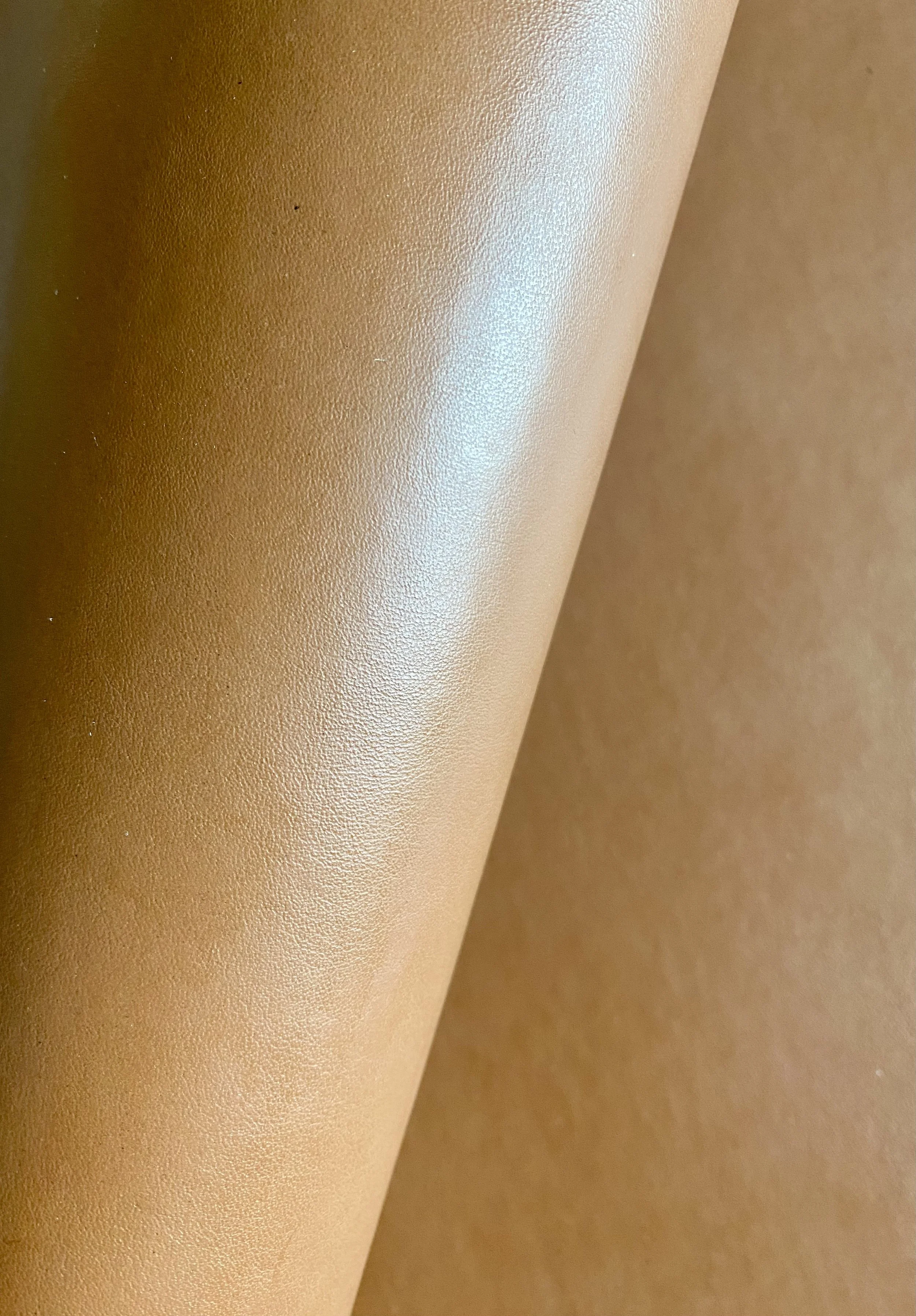
Developer: Natural Fiber Welding (NFW)
Material type: Plant-based biomaterial
Petroleum-based PU/PVC: None
USDA certification: 100% biobased for the first commercial collection
Main ingredients: Natural FSC rubber, plant oils and waxes, natural pigments and minerals
MIRUM® is a bio-based leather alternative made entirely without plastic. Its combination of natural rubber, plant-based ingredients and agricultural by-products offers a different material approach to conventional petroleum-based leather alternatives and contributes to the development of more circular material solutions for fashion and accessories.
Performance
MIRUM® is water-resistant and has demonstrated strong durability in commercial use. While ISO durability testing is not currently available, the material has been adopted by multiple brands and has received consistently positive long-term user feedback.
Technical Specifications
Thickness: 1.2 mm
Backing: Lyocell jersey
Colours / Finishes: Olive Pebbled, Cognac Pebbled
Engraving: Suitable for laser engraving
Embossing / Heat stamping: May produce inconsistent results and is not generally recommended
Manufacturing: Illinois, USA
European supply: Warehouse in Germany
Scent: Neutral, natural scent with no noticeable plasticky odour
Applications
MIRUM® is best suited to structured bags, small leather goods, belts, accessories and top-stitched designs where dimensional stability and a premium leather-like appearance are required.
ELEVATE™
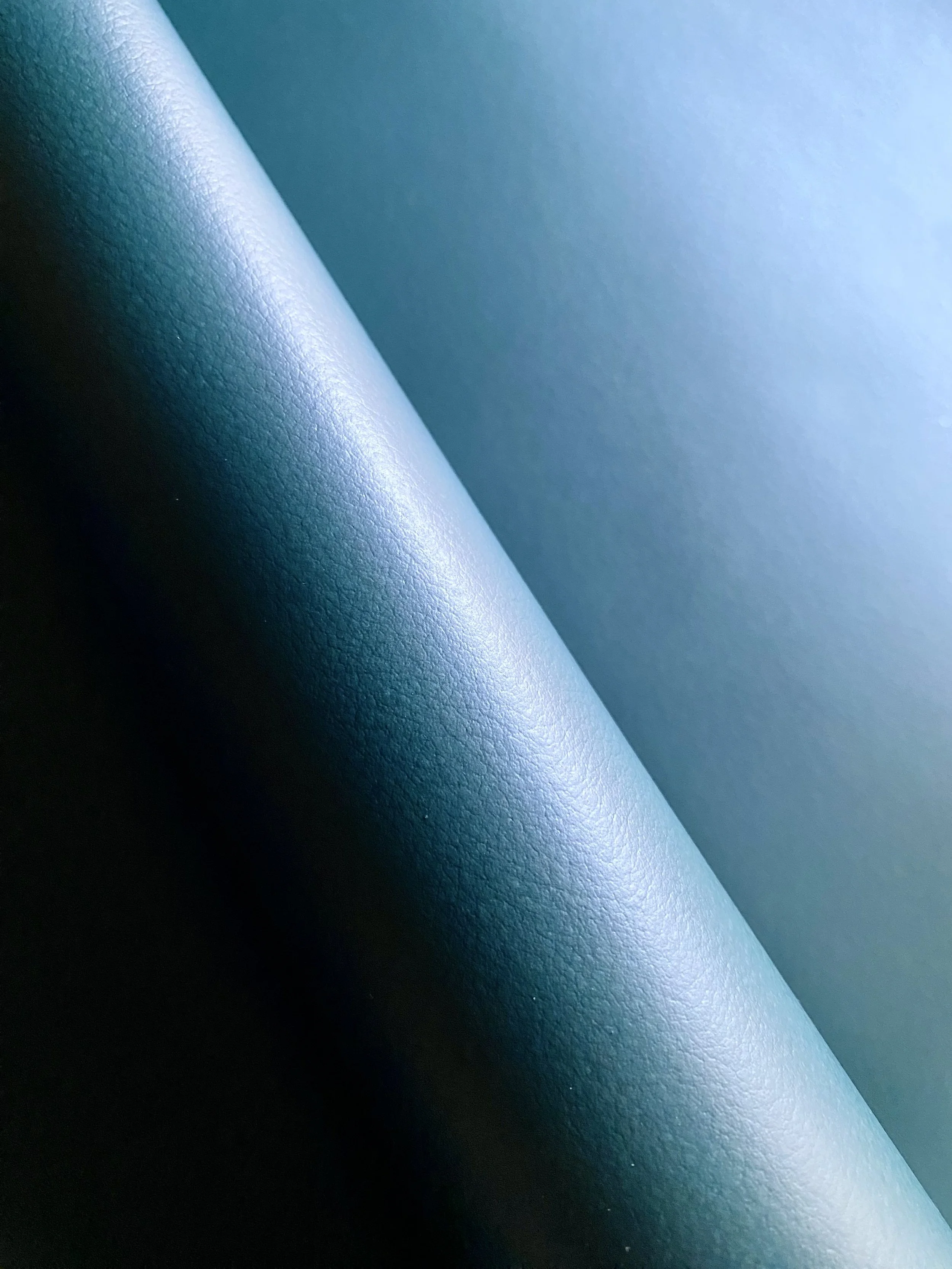
Developer: Uncaged Innovations
Material type: Grain-based bio-material Petroleum-based PU/PVC: None; bio-based PU: Less than 1%
USDA certification: 95% biobased, with remaining 5% of mineral content
Main ingredients: Grain based restored collagen.
ELEVATE™ is a plant-based bio-material developed from non-food agricultural by-products. Its predominantly grain-protein construction differentiates it from conventional coated leather alternatives, while the small amount of bio-based PU is part of the material's renewable content rather than petroleum-derived plastic. The combination of agricultural feedstock, bio-based PU and an organic cotton or Lyocell backing creates a predominantly bio-based material designed for durable fashion and accessory applications.
Biodegradability
ELEVATE™ has demonstrated 33% biodegradation within six months under the tested conditions reported in a third-party assessment.
Performance
Developed to meet 10 key ISO performance standards for leather fashion applications. Its solid grain-protein core accounts for approximately 85–90% of the material and provides dimensional stability.
Technical Specifications
Thickness: 0.9–1.1 mm
Backing: 100% GOTS-certified organic cotton interlock or 100% Lyocell jersey
Finish: Signature Pebble or Nappa; Luxe Nappa
Engraving: Suitable for laser engraving
Embossing / heat stamping: Not recommended
Water spotting: ISO Grade 5
Applications
ELEVATE™ Signature is best suited to structured bags, small leather goods, accessories, flat constructions and top-stitched designs where low stretch, dimensional stability and a premium grained appearance are desired.
ELEVATE™ Signature Luxe is suitable for soft, draped garments, bags, accessories and quilted designs requiring medium stretch.
Nutico™
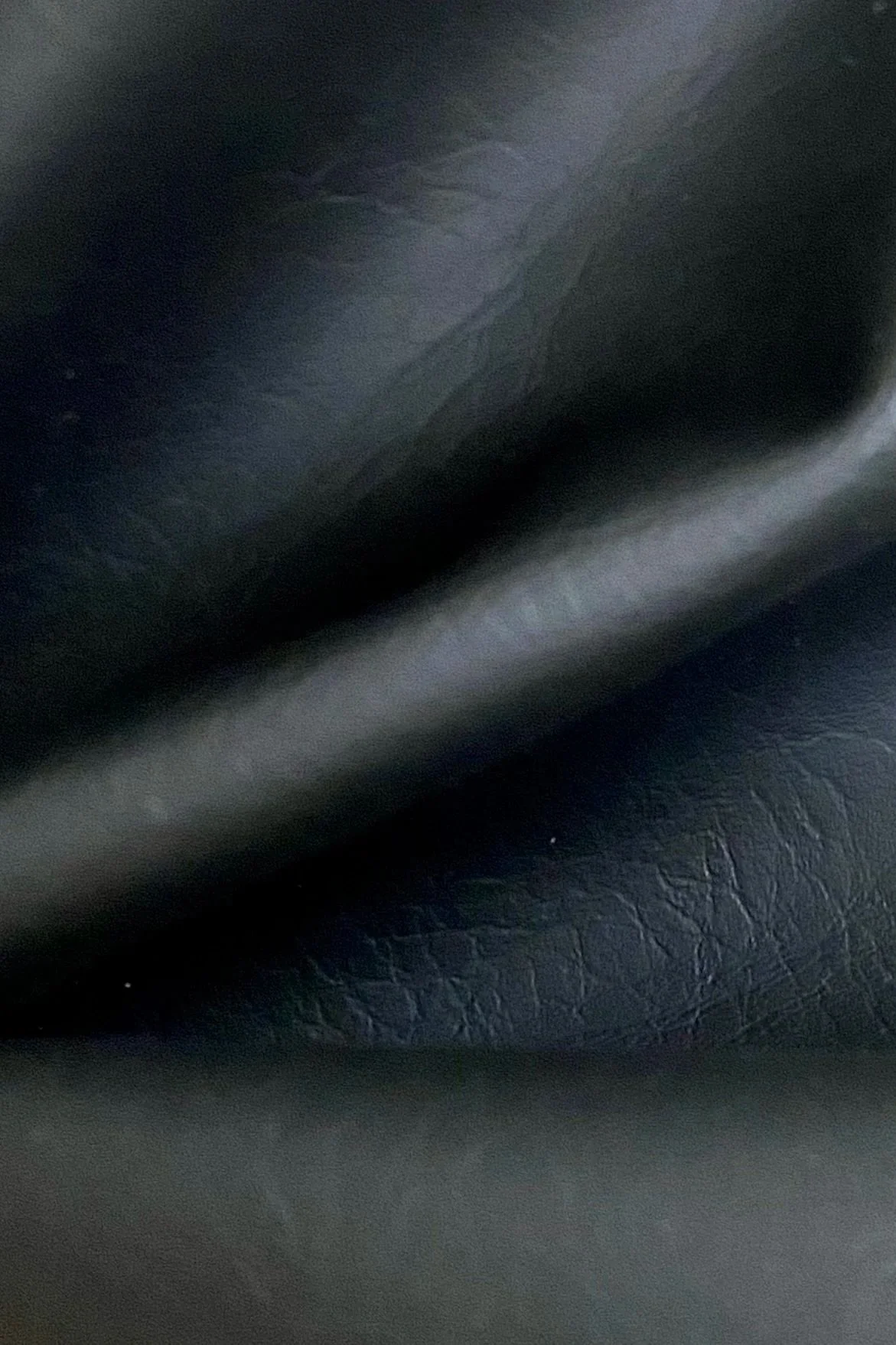
Developer: Bio2Materials
Material type: Plant-based composite material Petroleum-based PU/PVC: None
USDA certification: Not available
Main ingredients: Cocoa husks and walnut shells
Nutico™ is a bio-based material developed using cocoa husks and walnut shells, transforming food-industry by-products into a functional material for fashion and product design. Its 0% PU and 0% PVC composition makes it a petroleum-plastic-free alternative, while the choice of backing and surface finish allows the material to be adapted to different applications and design requirements.
Biodegradability
Nutico™ is biodegradable, with its formulation designed around bio-based and biodegradable components.
Performance
Nutico™ is designed to withstand repeated bending and everyday handling. It was tested for ISO standard tensile strength, elongation at break, Softness, Bally flexometer, abrasion resistance Marindale tests. REACH compliant
Technical Specifications
Thickness: Approximately 0.8–1.2 mm
Backing: OEKO TEX Standard 100 Lyocell
Finishes: Plain, Pebble and Crinkled
Engraving: Suitable for laser engraving
Embossing / heat stamping: Not recommended
Applications
Nutico™ is suitable for fashion accessories, bags (design needs to be reviewed to match the material qualities).
Malai®
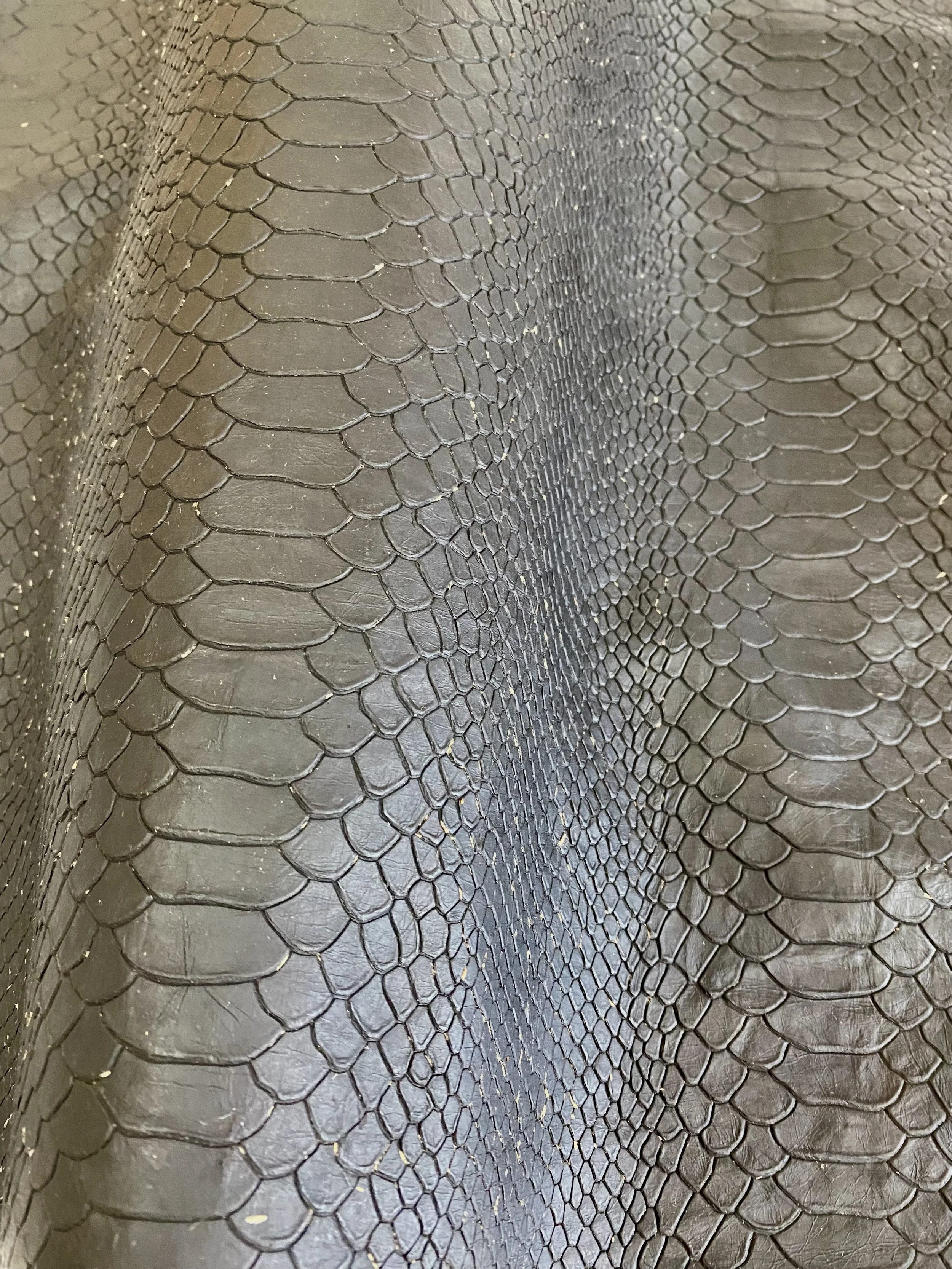
Developer: Malai Biomaterials
Material type: Bacterial cellulose biocomposite Petroleum-based PU/PVC: None
USDA certification: Not available
Main ingredients: Bacterial sheet grown on waste coconut water
Malai® is a bio-based biomaterial made from bacterial cellulose grown through fermentation using waste coconut water. The cellulose is subsequently combined with natural fibres, gums and resins to achieve the required flexibility and durability. Its sheet construction, absence of a textile backing and range of available weights give designers flexibility in both construction and processing, while its biological origin sets it apart from petroleum-based leather alternatives.
Biodegradability
Malai® is biodegradable and compostable. The material is designed to return to biological cycles after its useful life, provided that non-compostable components are removed and the appropriate conditions are available.
Performance
Malai® is a bacterial-cellulose-based sheet material that can be processed using a range of techniques commonly used for leather craft. It can be sewn, cut, laser cut, embossed, glued and skived. Its performance varies according to the specific weight and construction, with higher-weight versions offering greater thickness and structure.
Technical Specifications
Backing: None; both sides have the same material appearance
Weight options: 500, 650 and 800 gsm
Thickness: Approximately 0.7–2.0 mm, depending on weight
Colours: Available in a range of colours using plant-based dyes
Processing: Suitable for sewing, cutting, laser cutting, embossing, gluing and skiving
Formability: Can be produced as sheets and formed into three-dimensional structures
Applications
Malai® is suitable for bags, wallets, pouches, accessories, small leather goods and interior applications.
A new generation of leather alternatives
MIRUM®, ELEVATE™, Nutico™ and Malai® demonstrate four very different ways of creating bio-based alternatives to conventional leather.
What connects them is not one particular ingredient or manufacturing process. It is the move toward materials built around biological resources rather than petroleum-derived PU and PVC.
As bio-based material development continues, the definition of a leather alternative is changing — from simply reproducing the appearance of leather to creating entirely new material systems from renewable and biological resources.
Substanz offers consulting and sourcing services for brands willing to include new-generation and low-impact materials in their lines, as well as a curated selection of bio-materials at producer prices.
Please discover our Bio-Materials Platform here.
Please discover our Consultancy offer here
#bioleatheralternatives #leatheralternatives #veganleather #biobased materials #sustainablematerials #biomaterials #plantbasedleather #myceliumleather #fungalmaterials #bacterialmaterials #algaebasedmaterials #cultivatedleather #nextgenerationmaterials #lowimpactmaterials